
🏥 Central State Hospital: From Segregation to Modern Mental Health Reform
Tucked away in Dinwiddie County, Virginia, Central State Hospital has witnessed more than 150 years of American history — from the painful legacy of segregation to the hopeful promise of reform.
But Central State isn’t just another hospital. Its story reflects the evolution of mental health care in America — and the ongoing fight for equality and compassion within it.
🌍 A First in History
Founded in 1870, Central State began under a name that echoes the deep racial divisions of its time:
The Central Lunatic Asylum for Colored Insane.
It was the first institution in the U.S. dedicated exclusively to treating African Americans with mental illness — many of them formerly enslaved people trying to heal from unimaginable trauma.
While this milestone signaled progress on paper, it also revealed the harsh reality of Reconstruction-era America: racial segregation extended even into the care of the sick.
🧠 The Early Years
The idea for a separate asylum was influenced by Dr. Francis Stribling, a well-known figure in 19th-century psychiatry who believed Black patients required different facilities. His advocacy reflected the era’s deep-seated racial biases — but it also laid the groundwork for what would become a significant, if complicated, step forward in mental health care access for African Americans.
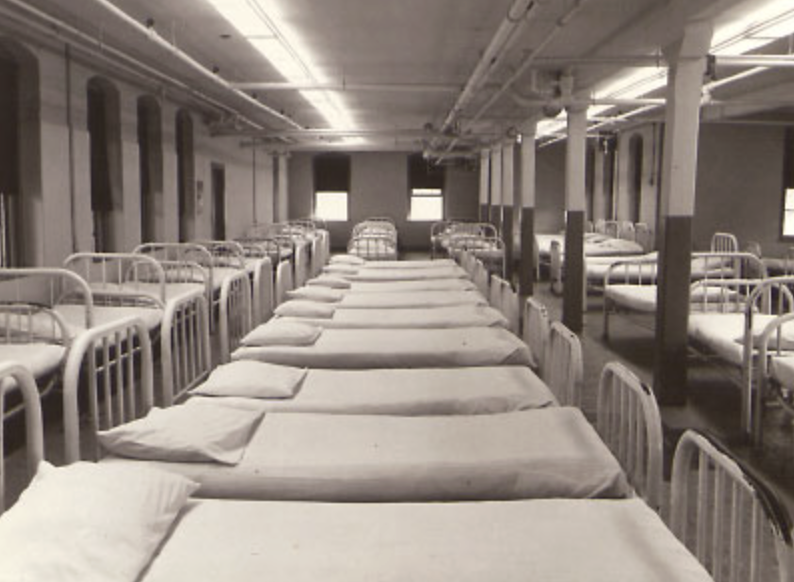
By 1885, the asylum had moved to its current location in Dinwiddie County, expanding its capacity to handle a growing patient population. But with that growth came overwhelming challenges.
Overcrowding. Underfunding. Patient labor disguised as “therapy.”
By 1950, the hospital housed nearly 5,000 patients — far more than it was ever designed to hold.
⚖️ The Civil Rights Era and a Turning Point
The Civil Rights Act of 1964 was a turning point not just for America, but for Central State.
In 1967, the hospital finally ended racial segregation, opening its doors to patients and staff of all backgrounds.
This desegregation wasn’t just a policy change — it was a moral one. Central State transformed from a symbol of separation into one of healing and inclusion, setting the tone for a new era in mental health care across Virginia.
🏗 A Hospital Reinvented
Fast forward to 2020 — Central State marked its 150th anniversary with a renewed sense of purpose. Plans were announced for a new, state-of-the-art facility, one designed to replace outdated infrastructure with modern spaces focused on dignity, safety, and innovation in treatment.
By 2025, construction milestones were celebrated, signaling the hospital’s next great transformation — a rebirth for a new generation of patients and professionals.
⚠️ A Tragic Reminder
Yet, Central State’s story is not without heartbreak.
In March 2023, tragedy struck when 28-year-old Irvo Otieno died during the intake process at the hospital. His death — ruled a homicide — sparked national outrage, renewed scrutiny of mental health practices, and called for accountability across both the medical and justice systems.
Ten people, including seven sheriff’s deputies and three hospital employees, were charged with second-degree murder.
Otieno’s death became a rallying cry for reform — a painful reminder that even in 2023, the journey toward humane mental health care and justice is far from complete.
🌅 Moving Forward
Today, Central State Hospital stands at the intersection of history and hope. It embodies the progress made — and the hard lessons learned — over more than a century of change.
From its segregated origins to its modern-day mission of compassionate, equitable care, Central State remains both a symbol of resilience and a mirror of America’s ongoing struggle to treat mental illness with humanity.
As Virginia prepares to open its new facility, the hope is clear: that the mistakes of the past will fuel a future built on respect, inclusion, and healing for all.
Central State Hospital reminds us that real progress — like recovery itself — doesn’t happen overnight. It’s built over time, through truth, accountability, and the courage to do better.